Insight
AI You Can Put in Front of a Regulator



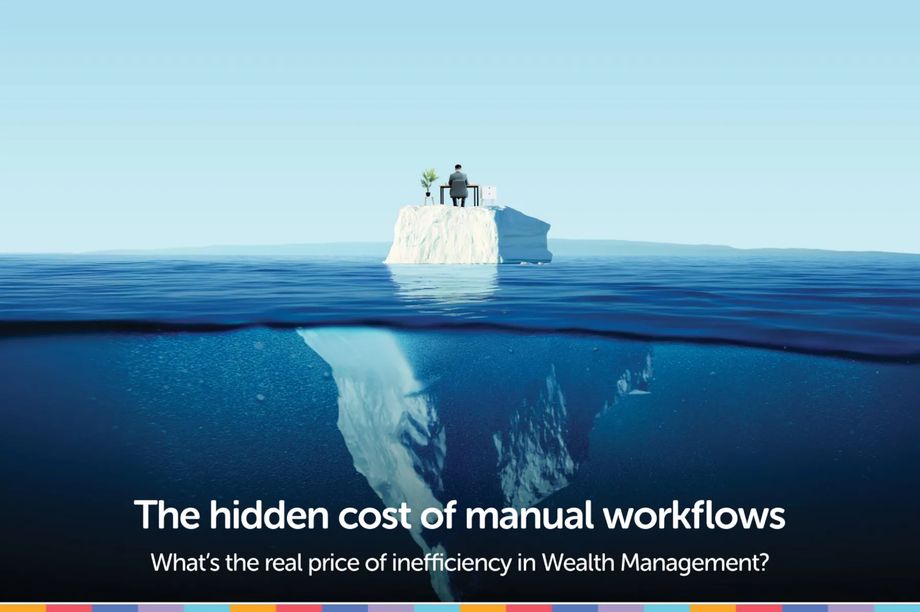
Manual workflows are often tolerated because they’re familiar. But over time, they become silent saboteurs, consuming time, draining resources, and limiting growth. In wealth management and fiduciary services, where accuracy and trust are paramount, outdated processes don’t just slow things down, they increase risk.
This article explores the hidden costs of sticking with manual operations and how firms are quietly transforming their internal workflows to work smarter, not harder.
Many wealth firms operate on legacy processes built around:
These were often created out of necessity, but over time they become rigid and outdated, quietly embedding inefficiencies into daily operations. New staff learn the “way it’s done” without questioning it, and the business becomes reliant on inherited instructions rather than systems.
This presents a real danger because when key individuals leave, so does critical process knowledge.
Manual workflows often hide in plain sight. They seem small individually, but they accumulate into significant operational drag:
It’s easy to underestimate the toll that manual processes take, after all, they tend to chip away quietly rather than break all at once. But over time, the friction they cause adds up. Whether it's time lost to duplication, delays in decision-making, or staff frustration, the true cost is often far greater than it appears on the surface.
Tangible losses:
Intangible costs:
Over time, these costs manifest as a competitive disadvantage, especially compared to firms embracing automation.
Firms that are leading the charge toward operational efficiency are doing three key things:
If you’re not sure whether manual processes are holding you back, look for these red flags:
Manual processes made sense when the business was smaller or less complex, but growth demands more. The real risk isn’t just inefficiency, it’s the loss of agility and trust when things fall through the cracks. Wealth management firms that embrace smart, scalable systems will free their teams to focus on what really matters: strategic advice, relationship management, and long-term value. For help with where to start contact us.